
What Is Creosote? The Hidden Chimney-Fire Risk
Creosote is the dark, tarry residue that builds up inside a chimney when you burn wood. It is highly flammable and the single biggest cause of chimney fires.
What is creosote and how does it form?
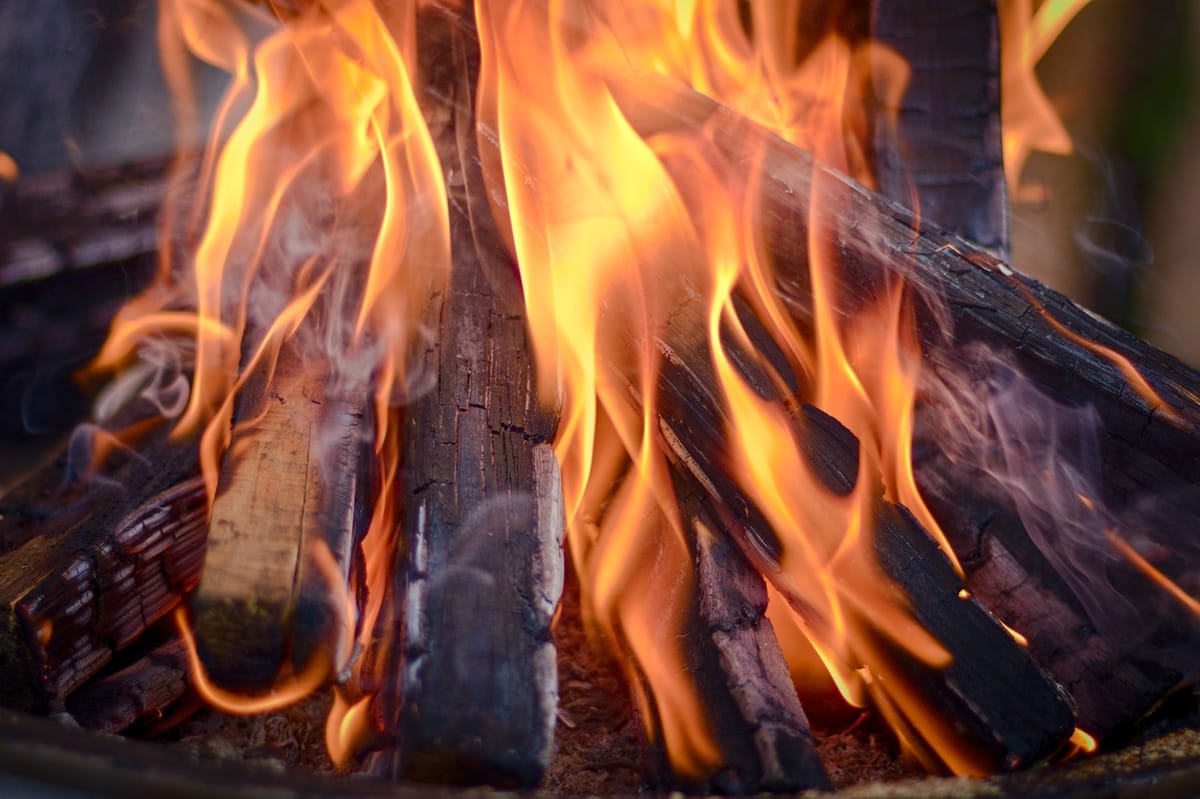
Creosote is a layer of tar and soot deposited on the flue walls. As wood smoke travels up a cooler chimney, unburnt particles condense and stick, then harden over time. Burning wet wood and slow, smouldering fires speed this up.
The three degrees of creosote
Sweeps grade creosote in three stages, from a light dusting to a hard, glassy glaze. The stage tells you how dangerous the build-up is and how hard it is to remove.
| Degree | What it looks like | Risk | How it is removed |
|---|---|---|---|
| 1 (light) | Soft, flaky soot with a dusty or sooty feel | Low, but a sign more could follow | Straightforward rotary or brush sweeping |
| 2 (medium) | Crunchy black flakes that resemble cornflakes | Moderate and flammable | Rotary power sweeping to break up and clear the flakes |
| 3 (heavy) | Hard, shiny, glazed tar fused to the flue | High, the most likely to fuel a chimney fire | Stubborn, often needs specialist treatment or rotary tools |
Why creosote is dangerous
Once thick, creosote can ignite from a spark or hot fire, and that is what most chimney fires are. It also narrows the flue, restricting the draught so smoke and carbon monoxide vent poorly and can push back into the room.
How to prevent and remove it
Burn dry, seasoned wood under 20 percent moisture and run hot, bright fires rather than slow smoulders. Have the chimney swept at least once a year. Light deposits clear easily by rotary sweeping, but hard glaze may need specialist tooling or relining.