

The Best Wood to Burn (Seasoned Firewood Guide)
The best firewood is dry hardwood with a moisture content under 20%. Species like ash, oak, beech, birch and hawthorn burn well, but dryness matters far more than which wood you choose.
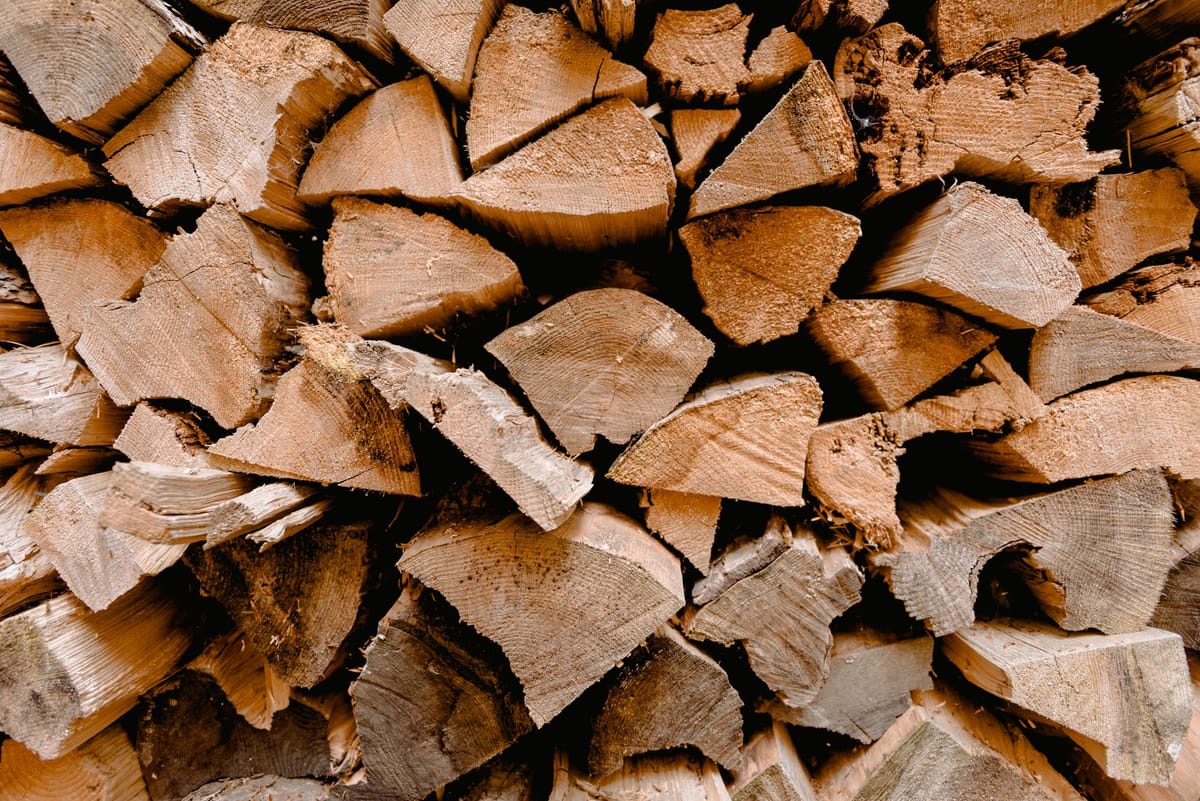
Why moisture content matters most
Green wood can be half water, so much of the fire's energy is wasted boiling it off, giving a smoky, sluggish burn. Aim for under 20% moisture: at that level wood lights easily, burns hot and clean and makes far less creosote. A cheap moisture meter pushed into a freshly split log tells you fast.
Seasoned, kiln-dried and the best species
Seasoning means drying wood under cover for one to two years until it falls under 20%; kiln-dried wood reaches 10 to 15% faster but costs more. Both burn cleanly once dry. Dense hardwoods give the longest, steadiest heat, so they are preferred for the main fire.
| Wood | Heat output | Notes |
|---|---|---|
| Ash | High | Excellent all-rounder, seasons faster than most |
| Oak | Very high | Long slow burn, needs the longest seasoning |
| Beech | High | Burns well and steadily once dry |
| Birch | Medium to high | Lights easily and burns bright, burns quicker |
| Hawthorn | High | Dense and hot, very good seasoned |
Buy Ready to Burn certified wood
If you buy rather than season your own, look for the Ready to Burn logo. This UK scheme certifies that wood sold for domestic burning has a moisture content of 20% or less, so it is ready to use straight away. A moisture meter is still handy for checking stored logs.
What you should never burn
Never burn treated, painted or varnished timber, MDF, chipboard, plastics or household waste, as these release harmful fumes and damaging deposits. Wet or green wood is off the list too. Burning dry wood is the single best way to cut creosote and reduce the risk of a chimney fire.